Gum Disease Treatment for Sensitive Teeth and Gums
Sensitive teeth and irritated gums often travel together, and that pairing is rarely a coincidence. Many people assume the sting from cold water or the tenderness during brushing is simply part of getting older, using whitening products, or brushing too hard. Sometimes that is true. Just as often, though, the discomfort points to inflammation at the gumline, early gum recession, or a deeper periodontal problem that deserves attention before it quietly worsens.
In practice, this is one of the most common patterns seen in dental care. A patient comes in because ice water suddenly feels sharp on one side, or because flossing leaves a metallic taste and a little blood in the sink. They are worried about cavities, and cavities can certainly be part of the picture, but the exam frequently shows another driver: gums that are swollen, pockets forming around the teeth, or exposed root surfaces that react strongly to temperature and touch. Effective Gum Disease Treatment has to address both sides of the problem, the disease process itself and the sensitivity it creates.
That matters because gum disease is not just about bleeding gums. It changes the environment around the tooth. As the gums become inflamed and start to pull away, the root surface can become exposed. Root dentin is much more sensitive than enamel. It is softer, less mineralized, and full of microscopic tubules that transmit sensations toward the nerve. So a patient may describe a sudden “zing” from cold air, even when the actual issue began with plaque, tartar, and inflammation beneath the gumline.
Why sensitivity often worsens when gum disease is present
Healthy gums form a firm, protective collar around each tooth. When that seal is intact, it helps shield vulnerable root surfaces and supports the bone underneath. Once gum disease starts, the tissues become puffy, fragile, and easier to disturb. Brushing can hurt. Flossing may feel like scraping a bruise. A sip of cold water can trigger a quick electric pain. If recession follows, the sensitivity tends to become more predictable and more frequent.
There is a mechanical reason for this. Enamel covers the crown of the tooth, but the root is covered by cementum, a much thinner outer layer. That layer can wear away easily. If inflammation, aggressive brushing, grinding, or acidic habits enter the picture, the root surface can become highly reactive. In other words, gum disease and tooth sensitivity often feed each other. The mouth becomes sore, so home care gets lighter and less consistent. Plaque then lingers longer, gum inflammation rises, and the cycle continues.
This is also why people with “sensitive gums” sometimes describe two different sensations without realizing they come from separate problems. One is soft tissue pain, tenderness, swelling, or bleeding at the gumline. The other is tooth pain, usually brief and triggered by cold, sweets, or touch. Good treatment sorts out which is which. That distinction shapes every recommendation that follows.
The first step is not stronger toothpaste, it is a proper diagnosis
It is tempting to start with whatever sensitivity toothpaste is on the pharmacy shelf. Those products can help, and many are genuinely useful, but they should not replace an exam when symptoms persist. Bleeding gums and temperature sensitivity may reflect gingivitis, early periodontitis, root exposure, enamel wear, a cracked tooth, decay, failing fillings, or some combination of those problems.
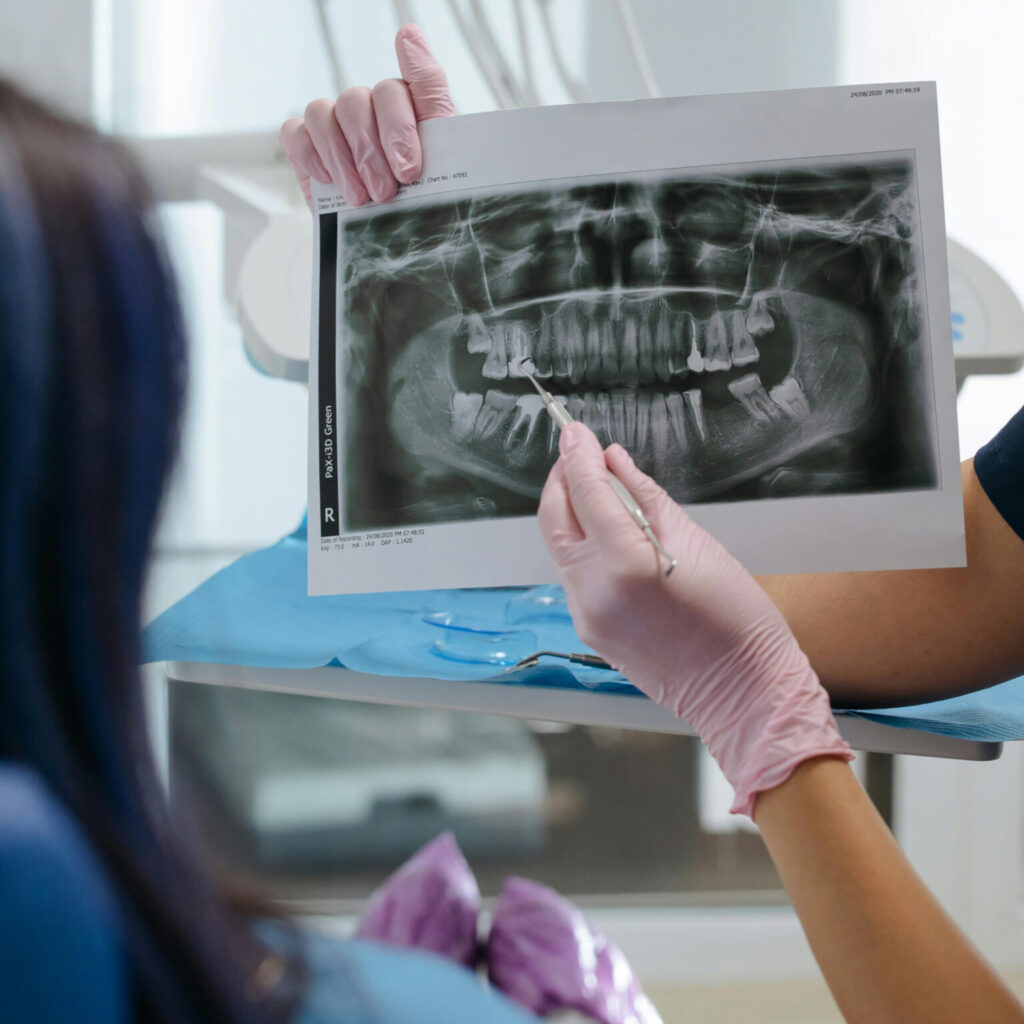
A careful periodontal evaluation usually includes measurements around each tooth, looking for pockets where bacteria collect below the gumline. The clinician also checks whether the gums bleed easily, whether the bone level appears normal on radiographs, and whether any teeth are loose or shifting. At the same appointment, the dentist or hygienist will usually look for recession, root abrasion, clenching patterns, and signs that over-the-counter whiteners or acidic drinks have added to the sensitivity.
This matters because the right Gum Disease Treatment for mild gingivitis is very different from the right treatment for active periodontitis with recession and exposed roots. One patient may need a professional cleaning and improved home care. Another may need deep cleaning beneath the gums, localized antimicrobial support, and follow-up maintenance every three or four months rather than twice a year.
What gum disease treatment actually involves when the mouth is sensitive
For sensitive teeth and gums, treatment has to be effective without being unnecessarily harsh. That sounds obvious, but it takes judgment. If the tissues are inflamed and painful, even a routine cleaning can feel intense. Skilled clinicians usually adapt both the pacing and the tools to keep the patient comfortable while still removing the deposits driving the disease.
With gingivitis, the first line of care is often a thorough professional cleaning to remove plaque and tartar above and slightly below the gumline. Once the hard buildup is gone, the gums have a chance to calm down. Patients are often surprised by how much sensitivity improves within a week or two after the inflammation drops. The teeth may still react to cold if roots are exposed, but the generalized tenderness usually becomes far more manageable.
With periodontitis, the approach is deeper and more targeted. Scaling and root planing, often called deep cleaning, is commonly used to clean the root surfaces beneath the gums and reduce bacterial load inside the pockets. Depending on the case, this may be done by quadrant and with local anesthetic. For a patient with sensitive gums, that anesthetic can make the difference between a stressful appointment and a tolerable one. The goal is not to “tough it out.” The goal is to thoroughly treat the infected areas without creating needless trauma.
After deep cleaning, the mouth can feel different for several days. Some people notice mild soreness, a little cold sensitivity, or a feeling that the spaces between the teeth are more open. That last point is important. Inflamed gums can be swollen and enlarged. When treatment removes the inflammation, the tissue often tightens and shrinks back toward a healthier shape. Patients sometimes mistake this for “more recession,” when in reality the swelling has simply resolved and the true contour of the gums is now visible.
Managing sensitivity during treatment, not just after it
One common mistake is to treat sensitivity as an afterthought. In real clinical settings, it needs to be managed from the beginning or patients struggle to stay consistent with care. There are several practical ways this is handled.
Desensitizing toothpaste, particularly those containing potassium nitrate or stannous fluoride, can reduce nerve response or help block exposed dentin tubules over time. The key phrase is “over time.” These products usually need regular use for at least a couple of weeks, sometimes longer, before the improvement is noticeable. Patients often quit too early, assuming the product failed.
Fluoride varnish can be especially useful after professional gum therapy when root surfaces are exposed and reactive. It adheres well, works locally, and can reduce post-treatment sensitivity in a way that feels more immediate than toothpaste alone. In some cases, dentists also use bonding agents or desensitizing resins on exposed root areas when the sensitivity remains stubborn.
Technique matters just as much as product choice. If someone is already anxious because brushing hurts, handing them a stronger mint toothpaste and telling them to scrub better is not a plan. A softer brush, a gentler angle at the gumline, and a lower-abrasion toothpaste often produce better results. Sometimes switching from a manual brush to an electric brush with a pressure sensor changes everything. That little alert can stop the habit of brushing as if the goal were to sand stains off porcelain.
When antibiotics enter the conversation, and when they should not
Patients often ask whether antibiotics are necessary for gum disease. Sometimes they are, but they are not the default answer for every case of bleeding gums and tooth sensitivity. Gum disease is primarily managed by physically disrupting and removing the bacterial buildup under the gums. Antibiotics alone cannot reliably penetrate tartar or replace mechanical cleaning.
Localized antibiotic therapy may be considered in specific sites that remain deep or inflamed after initial treatment. Systemic antibiotics are usually reserved for selected cases, such as aggressive disease patterns or infections with broader symptoms. Overusing them is not good periodontal care. It adds risks without addressing the underlying cause.
For sensitive mouths, there is another reason to be cautious. Some rinses and medications can leave the tissues feeling dry or irritated, and dry mouth can make sensitivity worse. This does not mean they should never be used. It means the treatment plan should fit the individual, not the other way around.
Recession changes the treatment picture
Not all sensitivity linked to gum disease comes from active infection. Sometimes the disease is already controlled, but recession remains. Once gum tissue has receded, the exposed root surface may continue to react even after the gums are healthy again. In these cases, Gum Disease Treatment merges with root sensitivity management and, occasionally, surgical planning.
If recession is mild and stable, conservative care may be enough. Desensitizing products, fluoride, careful brushing technique, and regular maintenance often keep symptoms in check. If the recession is deeper, worsening, or concentrated in a high-risk area, a gum graft may be discussed. Grafting is not necessary for every exposed root, but it can be valuable when sensitivity is severe, root wear is progressing, or the tissue is too thin to remain stable over time.
Patients often assume grafting is purely cosmetic. It can certainly improve appearance, especially in the front of the mouth, but many grafts are done for function and comfort. Covering a sensitive root surface can reduce pain with cold foods, make brushing easier, and improve the long-term durability of the tissue around the tooth.
What patients usually notice as treatment starts working
The improvements are often modest at first, then surprisingly meaningful. Bleeding during brushing drops. The gums look less shiny and swollen. Breath improves. The sharp zing from cold water becomes duller or less frequent. Flossing feels less like a punishment. These changes can begin within days for gingivitis and over several weeks for more involved periodontal care.
What often catches people off guard is that healing is not perfectly linear. One area may settle quickly while another remains tender for a while, especially where tartar was heavier or roots are more exposed. That does not Gum Disease Treatment automatically mean treatment failed. It usually means that one site needs more time, better home care, or reevaluation for another factor such as clenching, a defective filling edge, or an undiagnosed crack.
A good follow-up visit matters here. Periodontal treatment is not one-and-done. The tissues need to be remeasured, the response needs to be assessed, and the ongoing plan needs to be adjusted. Skipping that recheck is a little like stopping a course of physical therapy halfway through because the knee hurts less. Improvement is not the same as resolution.
Signs that deserve prompt attention
Some symptoms suggest the problem may be moving beyond simple sensitivity and should be examined quickly:
- Bleeding that continues daily for more than a week despite gentle cleaning
- Swelling, pus, or a bad taste coming from one area
- Teeth that feel loose, shifted, or suddenly different when you bite
- Sensitivity that lingers for minutes rather than seconds
- Gum pain paired with fever or facial swelling
That list is short, but the message is practical. Persistent bleeding and temperature pain are common. Mobility, drainage, and longer-lasting pain change the level of concern.
Daily care that helps, without making sensitivity worse
Home care for a sensitive mouth requires a lighter touch and more consistency, not less cleaning. The goal is to remove plaque every day while avoiding the kind of friction that strips already vulnerable root surfaces. Most people do best when the routine is non-surgical gum disease treatment simplified and repeated the same way each day.
A workable approach usually includes the following:
- Brush twice daily with a soft or extra-soft brush and small circular motions at the gumline
- Use a desensitizing fluoride toothpaste consistently for at least two to four weeks
- Clean between the teeth once a day with floss or interdental brushes sized correctly for the spaces
- Limit frequent acidic sipping, especially soda, citrus drinks, and sports drinks
- Return for periodontal maintenance on the schedule advised, often every three to four months for active or recent disease
The details matter. If floss shreds or snaps painfully into the gum, it may be the wrong tool or the wrong technique. If interdental brushes are too large, they can scrape the tissue and convince the patient that all cleaning is damaging. Matching the tool to the anatomy is part of effective care. That is one reason a brief chairside demonstration often succeeds where years of generic advice did not.
Foods, habits, and patterns that quietly keep sensitivity alive
Even when professional treatment is done well, a few everyday habits can slow improvement. Acidic beverages are a major one. The issue is not just what people drink, but how often. Sipping lemon water for two hours exposes the teeth and roots much longer than drinking it with a meal. Teeth softened by acid are more likely to feel sensitive and more vulnerable to abrasion if brushed immediately afterward.
Clenching and grinding are another overlooked factor. A patient may have early gum recession from periodontal inflammation and then amplify the problem by loading the teeth heavily at night. The roots become more reactive, not because the gum disease is still uncontrolled, but because the teeth are being flexed and stressed. In those cases, a night guard may become part of the plan, not because it treats gum disease directly, but because it helps remove one of the forces aggravating the sensitivity.
Smoking and nicotine use complicate everything. Nicotine can alter blood flow in the gums, impair healing, and mask the visible bleeding that would otherwise warn the patient something is wrong. A smoker may have less obvious redness while still carrying significant disease. Treatment can still work, but the margin for success narrows if the habit continues.
Special considerations for whitening products and “sensitive” marketing claims
Patients with tender gums often reach for anything labeled “gentle” or “for sensitive teeth.” Some of those products are excellent. Others solve one problem while worsening another. Whitening strips, peroxide gels, and abrasive pastes can intensify both gum irritation and root sensitivity, especially if used while gum disease is active.
It is usually wiser to stabilize the gums first. Once the periodontal tissues are healthy and the sensitivity is under control, cosmetic whitening can be reconsidered more safely. In office settings, dentists can often tailor whitening plans for people with a history of sensitivity, using lower concentrations, shorter contact times, or spacing treatments farther apart. Timing is everything. Whitening inflamed gums is like polishing a car with a loose wheel, not the first issue to tackle.
What realistic recovery looks like
People naturally want to know, “Will the sensitivity go away completely?” Sometimes yes, sometimes no, and the honest answer depends on why the sensitivity developed in the first place. If inflammation is the main cause, the change can be dramatic after treatment. If roots are exposed because tissue and bone have already been lost, the gums can become healthy while some degree of sensitivity remains.
That does not mean the situation is hopeless. It means success may look like control rather than cure. For one patient, success is no bleeding and no pain during brushing. For another, it is reducing cold sensitivity from a daily annoyance to an occasional brief twinge. For someone with advanced recession, success may also include grafting, bonding, or a long-term maintenance plan that keeps the condition stable and the teeth comfortable enough to clean.
From a clinical standpoint, the best outcomes tend to come when patients understand this early. They are less frustrated, more consistent, and more likely to return for rechecks. Periodontal care rewards persistence. Small daily habits and regular maintenance visits do not sound glamorous, but they prevent the kind of relapse that turns mild sensitivity into recurring disease.
The role of maintenance after active treatment
Maintenance is where many good results are either protected or lost. Once gum disease has been treated, the mouth does not automatically reset to the same risk level as someone who never had it. The bacteria can repopulate, tartar can redevelop in familiar spots, and inflammation can return quietly before the patient feels obvious pain.
That is why periodontal maintenance visits are often recommended more frequently than routine cleanings. Three- or four-month intervals are common after active periodontitis, though the exact schedule depends on the person’s healing, home care, and medical history. At these visits, the clinician checks pocket depths, looks for bleeding, removes new deposits, and reassesses sensitivity or recession changes. Done consistently, this is one of the most reliable forms of Gum Disease Treatment there is. It is not dramatic, but it works.
Patients sometimes resist the shorter interval because the gums feel fine. That is understandable, but gum disease is not always loud. It often returns in a low-grade way, especially around molars, crowded teeth, or old dental work where plaque retention is easier. Catching a 4 millimeter inflamed site early is much simpler than waiting until the pocket deepens and bone support starts to drop again.
When specialist care makes sense
General dentists manage a great deal of gum care effectively, especially gingivitis and many moderate periodontal cases. A periodontist becomes particularly helpful when the disease is advanced, recession is severe, gum grafting may be needed, teeth are becoming mobile, or previous treatment has not held. Sensitive teeth and gums can also justify referral when the source is not straightforward.
That specialist evaluation can be reassuring rather than alarming. It often clarifies whether the problem is primarily bacterial, structural, functional, or a blend of several issues. A periodontist may identify a thin gum biotype, a frenum pull contributing to recession, or bite forces that are undermining otherwise reasonable home care.
What matters most is timing. Seeking specialist input early does not mean the situation is dire. It usually means the patient and dentist want a sharper plan before the symptoms become harder to reverse.
A measured path forward
Sensitive teeth and tender gums can make even basic self-care feel difficult. That is precisely why they deserve more than a quick fix. When gum inflammation is the hidden driver, the best treatment is not stronger scrubbing or another mint-flavored rinse. It is careful diagnosis, targeted Gum Disease Treatment, relief for exposed roots and irritated tissues, and a home routine that the patient can actually sustain.
Handled well, most cases improve substantially. The gums stop bleeding. Brushing becomes easier. Cold drinks stop causing dread. And perhaps most important, the mouth becomes cleanable again, which is the real turning point. Once a patient can care for the area comfortably, healing has a chance to last.
Dental Group Of Beverly Hills
Address: 8641 Wilshire Blvd #125, Beverly Hills, CA 90211
Phone number: +13109296335
FAQ About Gum Disease Treatment
How to improve gum health quickly?
To improve gum health quickly, eliminate plaque buildup by brushing for two full minutes twice a day at a 45-degree angle to the gumline. Floss daily to clean under the gumline, and rinse with an antimicrobial, alcohol-free mouthwash. For immediate relief of soreness, use a warm saltwater rinse.
What is the fastest way to cure gum disease?
To quickly cure early-stage gum disease (gingivitis), eliminate the plaque buildup causing the inflammation. Brush gently but thoroughly for two minutes twice daily, floss daily, and use an antibacterial mouthwash or a warm saltwater rinse. However, if tartar has hardened, professional treatment is necessary.
How do I treat my gum disease at home?
You can treat early gum disease at home by practicing strict daily oral hygiene, rinsing with salt water or antibacterial mouthwash, and quitting smoking. True gum disease (especially advanced forms like periodontitis) cannot be fully cured at home once tartar forms, and you must see a dentist for professional cleanings.